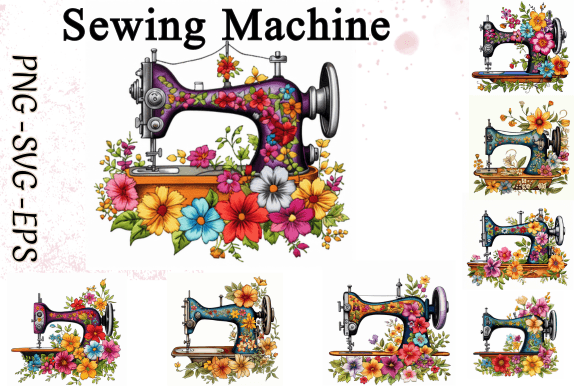
Sewing Machine Embroidery Watercolor
A Thoughtful Fit for Handmade Product Sellers
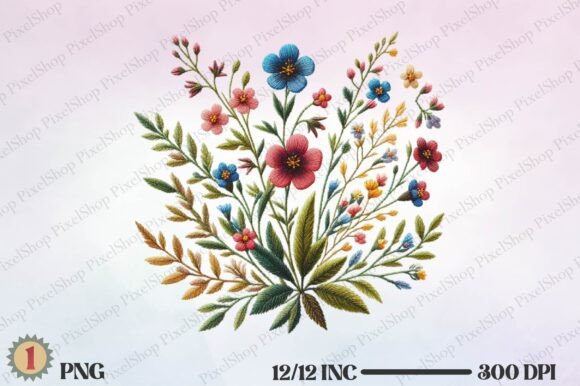
As an embroidery seller who’s launched over 200 Etsy listings—and watched which designs convert, which stall in carts, and which become repeat bestsellers—I approached Sewing Machine Embroidery Watercolor with equal parts curiosity and caution. The title alone signals something intentional: it’s not just “sewing machine embroidery,” but watercolor. That word carries weight—it evokes softness, artistry, and quiet sophistication. From the product description—“a delicate dance of vibrant watercolors elegantly embroi”—I immediately pictured how this would translate onto fabric: gentle gradients, blurred edges, painterly movement. It reads as feminine, modern, and premium—not rustic or bold, not seasonal or humorous, but timeless with a contemporary hand-painted feel.
Where This Creative Fabrica Embroidery Design Truly Shines
Sewing Machine Embroidery Watercolor isn’t built for high-contrast logos or dense monograms. It’s made for moments that invite pause: a linen baby blanket with a single soft bloom in the corner, a heavyweight cotton tote bag where the watercolor motif flows across the front like spilled ink, or a relaxed-fit sweatshirt where the design breathes across the chest without overwhelming the garment. It’s ideal for handmade product categories where texture and subtlety sell: embroidered patches (especially fused or sewn-on appliqué), pillow covers with minimalist backdrops, kitchen towel embroidery that feels like art for the home, and personalized gifts where the recipient senses care—not just stitching, but curation.
This design fits naturally into boutique merchandise and small batch apparel because it elevates otherwise simple items. A plain apron becomes gallery-worthy with one watercolor swatch near the pocket. A neutral cap gains quiet distinction when stitched in tonal thread on off-white twill. And for Etsy sellers building cohesive seasonal collections—think spring launches or summer gift guides—Sewing Machine Embroidery Watercolor offers visual continuity without repeating motifs. Its illustrative nature (listed under Illustrations and Graphics) means it’s likely scalable and adaptable across formats, supporting printable mockups and social media previews that feel cohesive and editorial.
Why Buyers Connect—and Why That Matters to Your Craft Business
Let’s be real: shoppers don’t buy embroidery files—they buy feelings, stories, and perceived value. Sewing Machine Embroidery Watercolor helps your finished product feel more giftable because it reads as intentional, not generic. It feels more professional because watercolor aesthetics are associated with fine art and design-led brands—not mass-produced clipart. It’s more memorable because its soft edges and implied motion stand out amid sharper, busier embroidery trends. And yes—it’s easier to photograph. Watercolor-inspired stitching tends to have natural light-and-shadow variation, giving photos depth and dimension even on a plain white backdrop.
For craft fair sellers, that translates to longer dwell time at your booth. For digital sellers listing on Etsy, it means higher click-through rates from thumbnail previews—if the design retains its character at small scale. Which brings us to a critical note: always test readability at listing-thumbnail size before finalizing your mockup. What reads as “delicate dance” at 5 inches may blur into indistinct color wash at 150 pixels wide.
Practical Seller Notes Before You Stitch
Before adding Sewing Machine Embroidery Watercolor to your production queue—or worse, listing it live—do these five things:
- Stitch a physical sample on your most common fabric type (e.g., medium-weight cotton for towels, brushed poly for sweatshirts). Observe how the watercolor illusion holds up with your stabilizer choice and thread tension.
- Photograph it on real fabric, not just digital mockups. Natural light reveals how thread colors interact—especially important when mimicking watercolor blends.
- Compare thread color options: does it sing in pastels? Pop in jewel tones? Fade in neutrals? Keep notes—you’ll reuse those combos across products.
- Check stitch density and hoop size. Soft watercolor effects often rely on strategic satin stitches, fill transitions, or low-density underlay. Overly dense stitching kills the airy effect. Confirm the required hoop size so you can plan production flow.
- Review Creative Fabrica licensing carefully. Since you’re creating commercial embroidery products (not just personal use), verify whether the license permits finished goods sold on Etsy, at craft fairs, or via wholesale. Don’t assume—check the product page.
Real-World Product Ideas That Work Right Now
Here’s how I’d deploy Sewing Machine Embroidery Watercolor across my current product pipeline:
- Tote bag design: Centered on natural canvas, using ecru thread on ivory fabric for a whisper-soft statement.
- Sweatshirt embroidery: Small-scale version on left chest of oversized unisex crewnecks—ideal for curated capsule collections.
- Baby embroidery: On organic cotton receiving blankets, stitched in muted sage and blush—gentle, gender-neutral, and photo-ready.
- Kitchen towel embroidery: Along the hem of flour-sack towels, with matching hand-stitched hems for elevated handmade appeal.
- Embroidered patch: Heat-applied or sewn-on for denim jackets—perfect for layering with other subtle motifs.
- Personalized gift: Paired with a custom name or date in fine script beneath the watercolor element—ideal for baby showers, weddings, or teacher appreciation.
Final Thought for the Intentional Seller
Sewing Machine Embroidery Watercolor won’t move units by shouting. It moves them by lingering—in the mind of the buyer scrolling Instagram, in the hand of someone unfolding a gift, in the quiet pride of a craft business owner who knows their aesthetic has depth. It supports long-term brand building more than short-term trend-chasing. If your shop values cohesion over clutter, artistry over automation, and thoughtful execution over fast output—this Creative Fabrica embroidery file is worth the extra testing, the careful thread selection, and the intentional placement. Just remember: its magic lives in the details. So honor them—from hoop size to licensing, from stabilizer choice to thumbnail clarity. That’s how handmade becomes unforgettable.