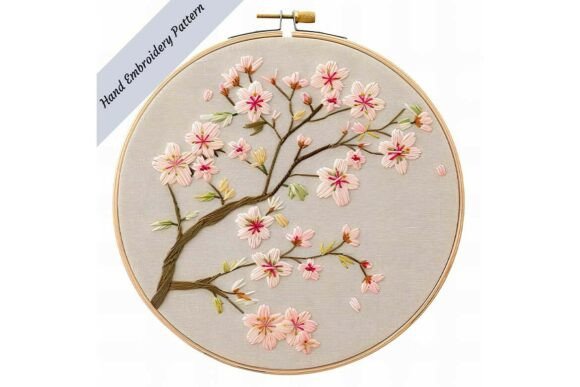
September Birth Flower Aster Embroidery
A First Glance: Soft, Elegant, and Quietly Premium
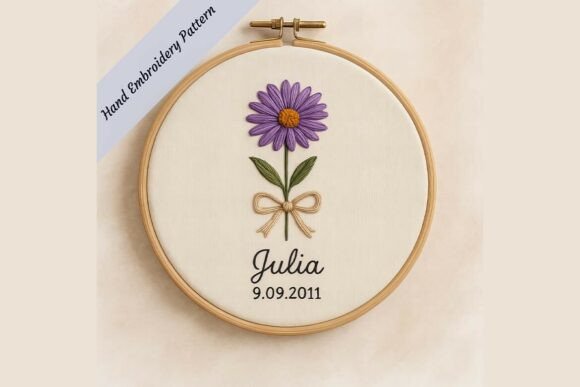
As an embroidery designer who’s prepped over 200 craft fair booths—and shipped thousands of handmade products—I opened the September Birth Flower Aster Embroidery pattern with a specific question: *Does this feel like something customers will pause for, pick up, and imagine on their favorite tote or tea towel?* The answer is yes—immediately. It reads as soft yet intentional, elegant without being fussy, and quietly premium. Not rustic, not cartoonish, not overly modern—it lands in that sweet spot between botanical illustration and handcrafted charm. That’s gold for boutique makers, Etsy sellers, and small shop owners who rely on perceived quality to justify handmade pricing.
Where It Shines: Craft Fair Product Pairings
The September Birth Flower Aster Embroidery thrives where subtlety meets storytelling. On a natural linen tea towel? Stunning—especially when paired with a minimalist border or monogrammed corner. As an apron embroidery centered just below the pocket? It adds quiet sophistication without overwhelming function. As a small embroidered patch on a denim cap or canvas pouch? It reads as thoughtful, personal, and seasonally resonant—ideal for gift shoppers browsing handmade markets.
It’s less effective as a large-scale focal design on oversized pillow covers unless scaled intentionally (more on that below). But as a refined accent—say, on the flap of a fabric pouch, the hem of a market bag, or the corner of a greeting card sleeve—it builds cohesion and brand warmth. For booth displays, I’d stitch one version on a cream cotton tote, another on a sage-green tea towel, and a third as a framed 4-inch hoop sample—each reinforcing the same gentle, botanical mood.
Real-World Production & Selling Notes
This isn’t a “throw-it-in-the-hoop-and-go” design—but it’s absolutely beginner-friendly *with guidance*. The September Birth Flower Aster Embroidery pattern is clearly structured for hoop-based hand embroidery, and its floral form avoids excessive line work or micro-detailing that trips up new stitchers. That makes it ideal for craft fair workshops, DIY kits, or bundled digital embroidery files aimed at confident beginners.
For batch production, it scales well across sizes: 3–4 inches works beautifully for patches and caps; 5–6 inches anchors a tote bag or pillow cover without crowding. Its open petal structure allows breathing room—even at smaller sizes—so stitch density stays manageable. No dense fill areas or overlapping stems that cause puckering on textured towels or thick twill. That’s a huge win for tea towel embroidery and apron embroidery where fabric texture can obscure detail.
Photography & Online Appeal
This design photographs exceptionally well. Its layered petals and subtle center create natural depth—no flatness, no visual noise. That translates directly to stronger Etsy listings and more engaging printable mockups. Light backgrounds (ivory, oat, pale sage) let the aster bloom; darker fabrics need high-contrast thread colors (think navy thread on charcoal linen) to preserve clarity. Always test contrast on scrap first—especially if marketing to buyers who value handmade quality over speed.
Careful-Use Considerations
A few practical notes before you commit to 50 units:
- Tiny details: The aster’s central disk has delicate stamens—beautiful at 4+ inches, but may blur on curved cap surfaces or dense terry cloth. Simplify or omit in those applications.
- Fabric texture matters: Avoid heavy bouclé or nubby burlap. Stick to medium-weight cotton, linen, or quilting canvas for clean tea towel embroidery or embroidered patch results.
- Dark fabric warning: The design relies on petal definition—on black or deep indigo, use matte white or ecru thread (not metallic) and consider adding a light stabilizer layer underneath to lift stitch clarity.
- Hoop size & spacing: Confirm the recommended hoop size before stitching batches. If unstated in the PDF, assume 5–6 inch—then test. Tight spacing between petals means poor stabilizer choice = distortion. Use tear-away + light cutaway for best commercial embroidery consistency.
Why This Design Builds Booth Strength & Buyer Trust
In a sea of glitter, slogans, and maximalist florals, the September Birth Flower Aster Embroidery stands out by *not* shouting. It signals intentionality—telling customers, “This was chosen, not scrolled.” That elevates perceived value on finished product tags, packaging, and social posts. It also supports brand consistency: whether you sell embroidered patches, small shop products, or digital embroidery files, this design reinforces a cohesive, nature-rooted aesthetic.
At craft fairs, it sparks conversation—not just “What’s that?” but “Is that the September flower? My sister’s birthday is in September!” That emotional hook increases dwell time, repeat visits, and word-of-mouth referrals. And because it’s tied to a birth month, it doubles as gifting shorthand—making it a reliable small shop product year after year.
Embroidery Designer’s Final Checklist
Before producing your first batch of September Birth Flower Aster Embroidery items, do these six things:
- Test the design on scrap fabric matching your intended product (e.g., flour-sack towel, unbleached cotton tote).
- Check thread contrast under both daylight and booth lighting—some creams look yellow under warm bulbs.
- Review spacing and petal overlap—does it hold shape when hooped tightly?
- Confirm hoop size compatibility with your most-used hoops (many beginners default to 6", but 5" gives cleaner tension on smaller items).
- Inspect stitch density—no tight clusters that’ll require extra stabilizer layers or slow down production.
- Create at least one real mockup (not just a digital preview) and photograph it in natural light—this becomes your Etsy listing hero image and booth signage anchor.
And always—always—verify commercial licensing terms in the original September Birth Flower Aster Embroidery Pattern Hand Embroidery PDF. As a digital embroidery file or design asset, its value multiplies only if you’re legally cleared to sell finished product.
Bottom line? This isn’t just another floral stitch design. It’s a quiet, confident, commercially smart choice for embroidery business owners who understand that sometimes, the most memorable craft fair product is the one that whispers—and still gets picked up first.