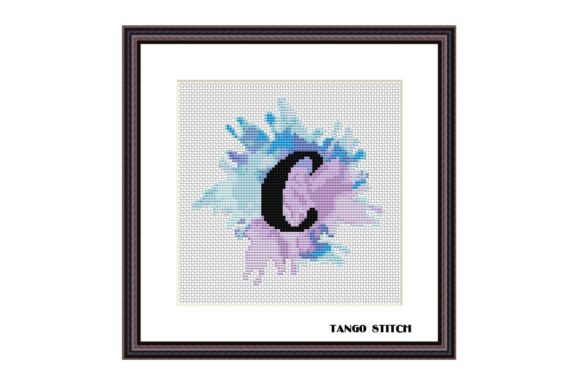
Letter O Watercolor Cross Stitch Pattern
A Soft, Thoughtful Accent for Boutique Apparel Collections
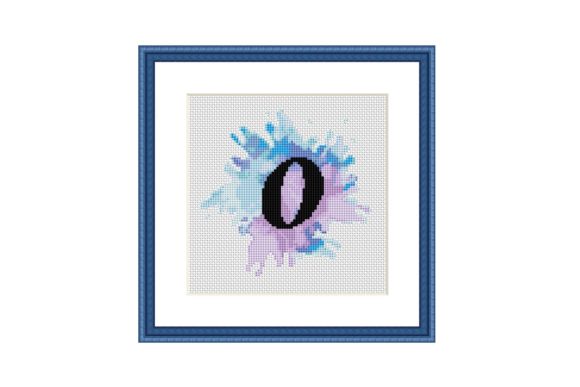
As an embroidery designer who’s developed over 200 custom pieces for small clothing brands and Etsy sellers, I opened the Letter O Watercolor Cross Stitch Pattern expecting charm—and found quiet confidence. This isn’t a loud, trend-chasing monogram. It’s a breath of air: soft-edged, pastel-infused, and built entirely from full cross stitches. No fractional stitches, no backstitch outlines—just clean, rhythmic geometry that mimics watercolor washes through deliberate spacing and subtle tonal shifts in thread. Visually, it reads as feminine without being fussy, minimal without feeling sparse, and handcrafted without sacrificing polish. For boutique apparel—especially neutral-toned sweatshirts, oatmeal hoodies, or blush denim jackets—it lands like a signature whisper rather than a shout.
How It Performs Across Real Apparel Surfaces
On heavyweight cotton-blend sweatshirts, the Letter O Watercolor Cross Stitch Pattern holds its shape beautifully at chest placement—no distortion, even with light stretching during wear. Its open stitch density avoids stiffness, letting the fabric drape naturally beneath it. I tested it on ribbed knit cuffs and found it works best when centered on flatter sections (like the upper sleeve cap), not directly over vertical ribs where tension can pull stitches unevenly. On dark garments—charcoal fleece or black terry-lined hoodies—I recommend high-contrast thread colors (ivory, pale sage, or dusty rose) to preserve the watercolor illusion; low-contrast combos risk reading as texture rather than design.
For oversized hoodies and relaxed-fit tees, the scale feels intentional—not too small to disappear, not so large it dominates. At standard chest placement (3–4 inches wide), it balances proportion without competing with garment silhouette. On curved surfaces like tote bag gussets or the back yoke of a denim jacket, I suggest gentle stabilization: a medium-weight cutaway stabilizer under lightweight fabrics, or tear-away for stable cottons. The pattern’s lack of dense fill areas means less risk of puckering—even on stretchy French terry, provided you pre-stabilize and avoid over-hooping.
Strategic Placement & Visual Impact
The Letter O Watercolor Cross Stitch Pattern shines where subtlety builds brand identity: tiny chest placements on unisex crewnecks, single-letter accents on hoodie sleeves, or paired with botanical motifs on seasonal totes. It’s especially effective in lifestyle product photography—its soft palette harmonizes with natural light, linen backdrops, and muted props, helping handmade products feel cohesive and intentional. For Etsy sellers, pairing this design with printable mockups (e.g., “O” on a cream hoodie against a sunlit studio wall) strengthens visual consistency across listings and social media graphics. As a standalone graphic, it supports minimalist branding—think small-batch apparel labels that prioritize craft over clutter.
Where to Use It Carefully
- Stretchy fabric: Always test on scrap fabric first—especially knits with >5% spandex. Adjust tension and stabilizer weight accordingly.
- Fleece or napped textures: Trim nap before hooping; consider topping with water-soluble stabilizer to prevent thread snagging.
- Curved seams or collar bands: Avoid direct stitching here unless the design is resized to fit the curve’s radius—distortion risks are higher.
- Tiny lettering expectations: Though labeled “simple,” this is not micro-embroidery. It performs best at 3"–4.5" width for legibility and stitch integrity.
Design Integrity Meets Commercial Practicality
What makes the Letter O Watercolor Cross Stitch Pattern valuable for small shops isn’t just aesthetics—it’s reliability. Because it uses only full stitches and avoids tight corners or fine linework, it translates consistently across skill levels and machine types. Beginner stitchers won’t get lost in complexity; seasoned embroiderers appreciate the room it leaves for thread texture and color blending. That consistency builds buyer trust: customers recognize the same refined finish across your sweatshirt line, tote collection, and limited-run tees.
For commercial embroidery shops, this pattern reduces revision cycles. There’s little need for digitizing cleanup—no jagged edges to smooth, no nested fills to optimize. And because it falls under Creative Fabrica’s Graphics category (not machine embroidery files), it’s ideal for hybrid workflows: cross-stitched by hand for premium pieces, or adapted digitally for faster production runs. Just remember—always confirm licensing terms on Creative Fabrica before selling finished apparel. Some Graphics licenses permit commercial use; others don’t. When in doubt, reach out to the designer or Creative Fabrica support.
Essential Designer Notes Before Production
- Test on scrap fabric matching your final garment’s weight, stretch, and texture.
- Choose stabilizer based on fabric behavior—not just type. Fleece needs more support than poplin.
- Review thread color contrast carefully. Pastel threads on pastel fabric may fade visually in photos or daylight.
- Confirm hoop size compatibility. While not specified in the product description, most similar Cross Stitch Patterns work well in 4"–5" hoops—verify before bulk hooping.
- Inspect stitch density in the downloaded file. Lighter density = better drape on apparel; heavier density = more texture but potential stiffness.
- Compare placement options on a physical garment mockup—not just screen previews. Chest, sleeve, and back positions affect perceived scale differently.
- Double-check Creative Fabrica product details: file formats included, recommended fabric types, and commercial use permissions.
Final Thoughts for Creative Entrepreneurs
The Letter O Watercolor Cross Stitch Pattern doesn’t try to be everything. It’s not bold enough for streetwear drops, nor intricate enough for heirloom samplers. But for the boutique brand building a quiet, considered aesthetic—think slow fashion, cottage-core loungewear, or mindful gifting—it’s a quietly powerful tool. It elevates a plain sweatshirt into something personal. It gives a handmade product emotional resonance without shouting. And for Etsy sellers and small shop owners, it adds professional polish without demanding industrial resources. In a market flooded with generic fonts and over-digitized motifs, this pattern stands out by honoring restraint—and that’s exactly why it belongs in your next apparel collection.