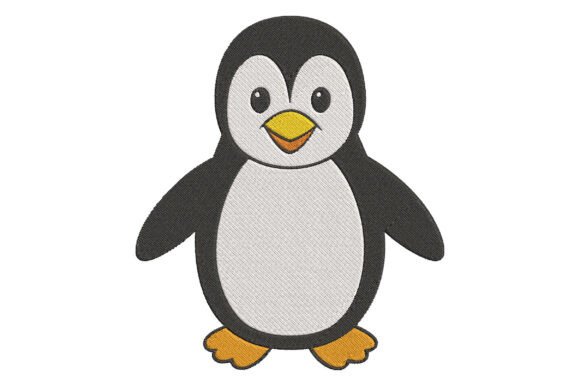
Cute Penguin Embroidery Design
First Impression: Sweet, Approachable, and Instantly Recognizable
As an embroidery designer who’s prepped over 200 craft fair booths—from snowy Vermont markets to sun-drenched California pop-ups—I know what stops a shopper mid-aisle. The Cute Penguin Embroidery Design delivers that in under two seconds. It’s not edgy or minimalist—it’s warmly cartoonish, gently festive, and softly winter-themed without leaning into holiday clichés. That “smiling penguin” isn’t just cute; it’s emotionally accessible. Parents, gift-givers, and self-purchasers all lean in. It reads as baby animals charm—but with enough personality to appeal beyond nurseries. Think soft pastels, gentle curves, and expressive simplicity—not fussy details or forced whimsy.
Where This Design Shines on Craft Fair Products
In my booth setup, I always lead with tactile, high-visibility items—and the Cute Penguin Embroidery Design performs exceptionally well across key categories:
- Tote bag design: Centered on natural canvas or oatmeal linen, it reads clearly from six feet away. The rounded shape and open face make it legible even at 3.5" tall—ideal for medium-sized totes that double as market bags and everyday carry.
- Apron embroidery: Placed just below the pocket or centered on the bib, it adds instant handmade warmth. Customers associate embroidered aprons with care and craft—and this penguin reinforces that feeling without overwhelming the garment.
- Tea towel embroidery: Works beautifully on medium-weight cotton towels. The clean lines hold up against fabric texture, and the cheerful expression lifts kitchen displays—especially when grouped with coordinating designs like snowflakes or mugs.
- Embroidered patch: A standout small-shop product. Cut-and-sew patches let customers personalize jackets, backpacks, or diaper bags. This design scales down cleanly to 2.25", retaining its charm without stitch crowding.
- Fabric pouches & pillow covers: On structured cotton-linen blends, the penguin anchors the composition. Its symmetry and balanced proportions prevent visual “tipping”—a common issue with off-center animal motifs.
What Holds It Back (and How to Work Around It)
No design is universally bulletproof—and the Cute Penguin Embroidery Design has real-world limits worth noting before batch production:
- Dense stitch areas: If the beak or eye contains tight satin stitches, test on textured tea towels or terry cloth—those surfaces can swallow fine detail. Opt for slightly simplified thread paths or reduce density by 5–8% if needed.
- Small lettering: Since no text is mentioned in the description, assume none exists—this is actually a strength. Avoid adding custom names or dates unless you’ve verified spacing and legibility at scale.
- Curved cap surfaces: Not ideal for direct cap embroidery without digitizing adjustments. Stick to flat-panel placements like front panels of trucker caps or side embroidery on beanies instead.
- Dark fabric: The “sweet cartoon look” relies on contrast. On navy or charcoal, verify thread colors—light grays or creamy whites often read better than stark white. Always test thread against your base fabric.
- Small sizes: Below 1.75", the smile and eye details risk blurring. Reserve tiny applications (like on baby socks or pacifier clips) for simplified versions—or skip them entirely.
Production Realities Every Etsy Seller & Boutique Maker Should Know
For digital sellers and small shop owners, speed + consistency = sales. Here’s how the Cute Penguin Embroidery Design supports both:
- It’s instantly understandable. No decoding required—shoppers get it in a glance. That reduces hesitation at your booth and boosts conversion on Etsy listings where attention spans are short.
- It scales gracefully. From 2" patches to 5" tote centerpieces, it maintains proportion and clarity. That means one embroidery file serves multiple craft fair product lines—cutting design prep time significantly.
- It photographs well. Clean outlines, balanced negative space, and friendly expression translate powerfully to printable mockups and social media thumbnails—even on mobile screens.
- It’s repeatable. Low stitch count (implied by “cartoon look” and baby-apparel suitability) means faster runs, less thread breakage, and consistent results across dozens of units—critical for weekend fairs where you’re stitching live or prepping ahead.
Designer Notes You Can’t Skip Before Selling
Before turning this into a finished product, do these five things:
- Test the machine embroidery design on scrap fabric matching your intended product—especially if using terry, fleece, or thick denim.
- Check thread contrast on every fabric color you plan to offer. What reads as joyful on ivory may vanish on heather gray.
- Review spacing between elements—does the beak sit comfortably within the head? Does the wing clear the body edge? Tight gaps cause nesting issues in dense stitching.
- Confirm hoop size compatibility. If your standard hoop is 4"x4", ensure the design fits comfortably inside with ⅛" margin—no trimming or re-hooping mid-run.
- Verify stabilizer pairing. Lightweight cutaway works best for knits; tear-away is ideal for stable wovens like tea towels or apron fabric.
And one non-negotiable: create at least one real mockup—not just a digital preview. Hold it in natural light. Drape it on your booth table. Watch how it interacts with neighboring products. That physical check reveals what software never will.
Final Thought: Why This Design Fits Your Handmade Brand
The Cute Penguin Embroidery Design doesn’t shout—it invites. It strengthens your handmade product story by signaling care, playfulness, and intentionality. On a crowded craft fair floor, it helps your booth feel cohesive, warm, and trustworthy. For Etsy sellers and commercial embroidery pros alike, it’s a low-risk, high-return digital embroidery file—one that builds recognition, encourages repeat buyers, and quietly elevates perceived value. Just remember: its charm lies in simplicity. Honor that. Don’t overcomplicate it with extra flourishes, mismatched fonts, or aggressive scaling. Let the penguin smile—and let your customers do the rest.